
Understanding Frequent Urination: Causes and Insights


Intro
Frequent urination can be more than just a minor inconvenience. It often signals various underlying conditions ranging from benign to serious. Understanding these nuances can empower individuals to take charge of their urinary health. The implications of frequent urination extend beyond the bladder, touching upon physical, psychological, and social dimensions of life. As we delve into this topic, it is essential to consider both the multifaceted causes and the wide-ranging effects on overall well-being.
Lifestyle factors, dietary choices, and even emotional states can radically influence urinary frequency. Recognizing these influences can shape personal routines for better health outcomes. The significance of this topic is magnified in today’s fast-paced society, where people might overlook symptoms, attributing them to stress or busy schedules. This article aims to shed light on what frequent urination might mean for an individual, providing both insight and applicable strategies.
Health Benefits
Understanding the potential health benefits of addressing frequent urination is crucial for fostering a holistic approach to wellness. Once the causes are properly identified, individuals can reap significant advantages, not just physically, but also mentally.
Physical Health Benefits
Addressing frequent urination can lead to better physical health outcomes. Identifying root causes—such as diabetes, urinary tract infections, or prostatitis—allows for timely treatment. Some key physical benefits include:
- Enhanced Bladder Function: Effective management improves bladder control and reduces urgency.
- Improved Kidney Health: Understanding urinary patterns can facilitate early detection of kidney-related issues.
- Better Sleep Quality: Reducing nighttime urination, or nocturia, can lead to improved rest and better overall health.
Mental Health Benefits
Frequent urination doesn’t just affect the body; it can also have a significant impact on mental health. Anxiety and social withdrawal can stem from the fear of not being able to find a restroom in time. Benefits to mental well-being include:
- Reduced Anxiety Levels: Addressing the underlying issues can ease anxiety concerning sudden urges.
- Greater Confidence: Regaining control alleviates stress related to social scenarios or public engagements.
- Enhanced Emotional Resilience: Maintaining a healthy routine fortifies mental strength and overall resilience.
"Recognizing the impacts of urinary health can transform the way we think about our bodies and minds."
Practical Tips
While the exploration of frequent urination encompasses many medical aspects, practical tips can help individuals manage their condition more effectively. Maintaining a balanced lifestyle plays a key role.
Healthy Eating Guidelines
Proper nutrition is vital in managing urinary health. When it comes to diet, consider the following:
- Stay Hydrated: Drinking sufficient water is essential, but managing fluid intake at night helps reduce nocturia.
- Avoid Irritants: Caffeine and alcohol can irritate the bladder. Monitoring intake can help reduce urgency.
- Balanced Diet: Incorporate fiber-rich foods, lean proteins, and healthy fats into meals to support overall urinary functions.
Effective Workout Routines
Exercise can also be beneficial for urinary health. Here are some suggestions:
- Kegel Exercises: These strengthen pelvic floor muscles and help with bladder control.
- Cardiovascular Activities: Regular cardio helps maintain overall health and can manage weight, reducing pressure on the bladder.
- Mindfulness Practices: Incorporation of yoga or meditation can alleviate stress and improve bladder function.
By adopting these practical tips, one can harness a proactive approach to frequent urination.
To explore more about urinary health, consider visiting Mayo Clinic or WebMD for extensive resources.
Intro to Frequent Urination
Frequent urination is not just a minor inconvenience; it's a topic that holds significant relevance in both clinical practice and day-to-day life. When the urge to urinate hits more often than expected, it might prompt individuals to wonder about the implications this has for their overall health. Understanding frequent urination involves delving into the physiological, psychological, and lifestyle aspects that contribute to this condition. This exploration opens the door to personalized strategies for managing urinary habits and enhancing well-being.
Defining Frequent Urination
Frequent urination, medically referred to as polyuria, can be defined as the need to pass urine more often than what is usual for an individual. While the typical range can vary significantly from person to person, the need to urinate more than eight times in a 24-hour period might be considered frequent. Such a condition can be annoying and might lead to disruptions in daily routines.
It’s crucial to clarify that the term encompasses not only the quantity of urine but also the urgency associated with its passage. Patients may feel a nagging sense of urgency that may lead them to rush to the restroom, sometimes even without a full bladder. This urgency can be tied to other underlying conditions, which makes a thorough understanding all the more vital.
Prevalence and Demographics
The prevalence of frequent urination varies significantly among different demographics. Studies report that conditions causing increased urination affect approximately 25% of adults, yet awareness is often low. Though it is common among the aging population, it's notable that younger individuals can experience similar symptoms. Gender differences also appear significant, as men may face unique challenges due to prostate issues, while women might experience fluctuations in bladder sensitivity tied to hormonal changes.
- Age Factors: Older adults often face a decline in bladder control and muscle integrity. This change can mean more frequent journeys to the restroom, particularly during the night, a phenomenon known as nocturia.
- Gender Considerations: Men typically present with frequent urination linked to prostate enlargement, while women might encounter urgency related to pregnancy or menopause-related changes.
In essence, frequent urination is a common issue that transcends simple inconvenience, encapsulating a world of underlying health concerns. Awareness of its demographic factors lays the groundwork for a broader discussion on identifying specific causes and tailored solutions for different populations.
Physiological Mechanisms Behind Urination
Understanding the physiological mechanisms behind urination is crucial for grasping how frequent urination can impact both individual health and quality of life. This section aims to demonstrate the intricate dance between various bodily systems responsible for urine production and expulsion.
When one comprehends how the urinary system operates, it sheds light on why certain conditions lead to frequent urges to relieve oneself. This knowledge extends beyond mere biological processes; it serves as the foundation for recognizing the signs and symptoms linked to broader health concerns. The interdependence of the kidneys, bladder, and other related systems hints at why a seemingly simple act like urination can be influenced by a multitude of factors, from hydration levels to medication effects.
How the Urinary System Functions
At its core, the urinary system consists of several key components including the kidneys, ureters, bladder, and urethra. Each part has a specific role that contributes to the overall process of urine formation and elimination.
- Kidneys: These bean-shaped organs filter blood, removing waste and excess substances, which in turn forms urine.
- Ureters: They are muscular tubes that transport urine from each kidney to the bladder.
- Bladder: This is a hollow organ that stores urine until it is excreted.
- Urethra: This final tube allows urine to exit the body during urination.
When the kidneys filter the blood, they produce urine which travels through the ureters into the bladder. The bladder’s walls stretch to accommodate the accumulating urine, and when it's full, sensory nerves signal the brain, creating the feeling of urgency. From there, a series of involuntary muscle contractions expels urine through the urethra. Every step in this process is critically fine-tuned, showing how our bodies maintain balance and respond to varying circumstances.
The Role of Kidneys and Bladder
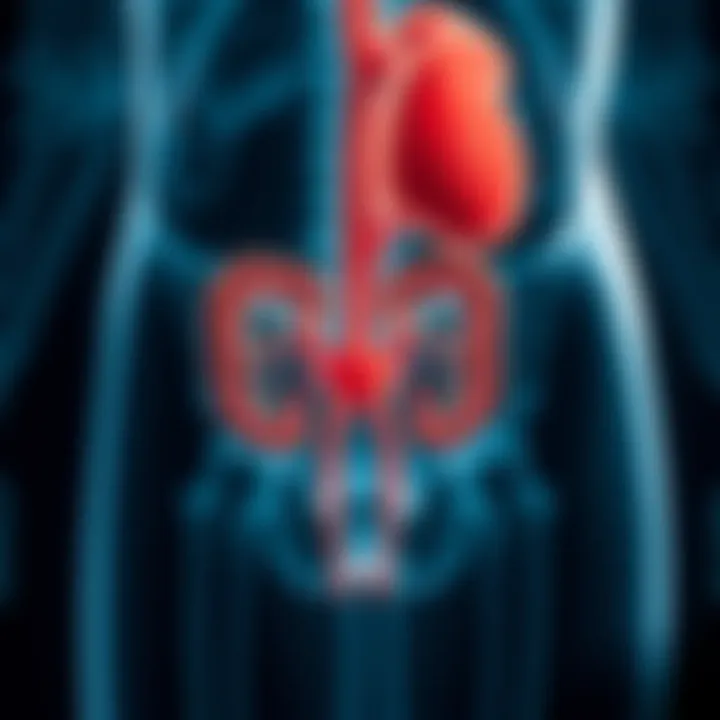
The kidneys are often described as the body’s natural filtration system. They not only help eliminate waste, but they also regulate electrolytes, blood pressure, and even red blood cell production among other functions. Perhaps intriguing is the adaptive capacity of the kidneys: they can adjust urine production according to hydration states. For example, during hot weather or intense physical activity, they conserve water, leading to a reduced urine output. Conversely, excessive fluid intake results in increased urine production.
On the other hand, the bladder plays a vital role in managing how and when urine is expelled. It comprises a muscular layer that allows it to expand and contract. The internal sphincter responds involuntarily and manages urine retention, while the external sphincter is under voluntary control, giving us the ability to control when we urinate. Disorders affecting bladder function, such as overactive bladder syndrome or stress incontinence, can significantly disrupt this balance, causing frequent urination or an inability to hold urine.
Frequent urination isn't just a nuisance; it may reveal underlying health issues that merit investigation.
For further reading on the intricacies of the urinary system, consider exploring resources like Wikipedia or Britannica.
Common Causes of Frequent Urination
Understanding the common causes of frequent urination is foundational for anyone looking to grasp the complexities of urinary health. When individuals experience this condition, it often disrupts day-to-day activities and can lead to a multitude of emotional challenges. From social gatherings and professional situations to sleep disruptions, the implications of frequent urination extend far beyond mere physical symptoms. Recognizing the root causes not only helps in the management of the situation but also aids in identifying any underlying health issues that may need attention.
Frequent urination can stem from various medical conditions, lifestyle choices, and even psychological factors. By examining specific triggers and characteristics associated with each cause, individuals can better understand their own experiences and seek appropriate interventions.
Diabetes Mellitus and Insipidus
Diabetes is more than just a sugar problem; it can profoundly influence urinary function. Diabetes Mellitus, particularly when poorly controlled, leads to high levels of glucose in the blood. This excess sugar spills into the urine, resulting in the production of larger volumes of urine. The body works overtime to expel the sugar, leading to a nearly constant need for the restroom. Similarly, Diabetes Insipidus, though different in its pathology, also causes significant urination due to a lack of the hormone vasopressin, which regulates fluid balance.
"While both forms of diabetes can result in frequent urination, distinguishing between them is crucial for treatment and lifestyle adjustments."
Urinary Tract Infections
Urinary tract infections (UTIs) are common culprits behind sudden urges to urinate. Typically caused by bacteria, a UTI can lead to inflammation of the bladder, which signals the need to go frequently—even if the bladder isn’t full. Symptoms might include burning sensations during urination and pelvic discomfort. UTIs can affect anyone, but women tend to be more prone due to their shorter urethras. Awareness of this cause encourages timely consultation with healthcare professionals to prevent complications.
Overactive Bladder Syndrome
Overactive Bladder Syndrome (OAB) is another significant factor in the realm of frequent urination. The hallmark of OAB is an intense urge to urinate, often accompanied by increased frequency, sometimes even resulting in leaks. For many, this can feel like an uncontrollable situation, leaving them unexpectedly searching for restrooms. Causes of OAB can be varied, including neurological issues, bladder irritation, and even lifestyle factors such as excessive caffeine consumption. A comprehensive evaluation can often illuminate underlying causes not immediately apparent.
Pregnancy-Related Changes
During pregnancy, bodily changes can markedly increase the frequency of urination. As the fetus grows, it places pressure on the bladder, which can prompt more frequent trips to the bathroom. Hormonal shifts are also at play; they can influence bladder sensitivity and control. Many expectant mothers find themselves in a cycle of needing to urinate, especially in the first and third trimesters. Awareness of these changes provides comfort knowing that they are a normal part of pregnancy, prompting mindfulness about hydration and bladder health during this time.
In summary, understanding the common causes of frequent urination sets the groundwork for addressing urinary health effectively. From managing diabetes to recognizing symptoms of UTIs or navigating pregnancy, various factors contribute to this condition. Individuals equipped with this knowledge can take proactive steps towards appropriate management and enhance their overall well-being.
Lifestyle Factors Influencing Urination
The way we live our lives has a remarkably deep impact on how we urinate. Lifestyle factors, including what we drink, eat, and our daily habits, can significantly influence the frequency of urination. By understanding these factors, individuals can take charge of their urinary health and minimize any discomfort associated with frequent urination. This section explores three key areas that often warrant attention: fluid intake and hydration, caffeine and alcohol consumption, as well as dietary impacts.
Fluid Intake and Hydration
Knowing how much and what we drink is essential to managing urination frequency. Maintaining proper hydration levels within the body is crucial. On one hand, low fluid intake can cause urine to become concentrated, which can irritate the bladder and lead to discomfort during urination. On the other hand, drinking excessive amounts of fluids can easily lead to frequent trips to the bathroom.
Consider these points when managing hydration:
- Water Quality: It's not just about quantity; the kind of water consumed matters. For instance, hard water, which contains high levels of minerals, can irritate the urinary tract.
- Daily Needs: Generally, it's advised that adults aim for about 2 to 3 liters a day, but individual needs can vary based on factors like physical activity and climate.
- Timing Matters: Drinking too much fluid before bedtime can lead to nocturia, a common issue where individuals wake up several times at night to urinate.
Each person's fluid balance is unique. Knowing individual needs can help strike the right balance without causing unnecessary bladder stress.
Caffeine and Alcohol Consumption
Two major culprits that can exacerbate frequent urination are caffeine and alcohol. Both substances are diuretics, meaning they promote increased urine production, which can lead to discomfort for some individuals.
- Caffeine: Found in coffee, tea, and some sodas, caffeine can heighten the urgency to urinate. For many, moderation is key. Some might choose to limit caffeine intake to one or two servings per day.
- Alcohol: Similarly, while a drink might create a moment of relaxation, it can lead to more frequent bathroom visits due to its diuretic effects. It's prudent for individuals who experience regular urination issues to monitor their alcohol consumption, perhaps opting for lower-alcohol beverages.
Both substances can have varying effects. It's best to listen to your body and adjust accordingly.
Dietary Impacts
What we eat directly reflects on urinary health. Some foods are known to influence the way individuals urinate, either by irritating the bladder or altering urine production.
- Spicy Foods: For some, spicy foods can lead to urgency or irritation in the bladder. It's wise to keep a food diary and monitor specific reactions after consuming certain meals.
- Fruits and Vegetables: High-water-content foods like watermelon or cucumbers can aid hydration; however, excessive consumption can lead to increased urination.
- Acidic Foods: Foods like citrus fruits or tomatoes may irritate the bladder in some individuals, leading to a more frequent urge to urinate.
"A mindful diet can be the difference between comfort and discomfort for those navigating frequent urination. "
Psychological Influences on Urination Frequency
Understanding how psychological factors impact urination frequency is crucial in addressing this often-overlooked aspect of urinary health. This section focuses on two primary influences: anxiety and stress, as well as the phenomenon of nervous bladder behaviour. By identifying and comprehending these psychological components, health professionals and individuals can adopt more effective management strategies, leading to improved well-being.
Anxiety and Stress Responses
Anxiety and stress are more than just buzzwords in today’s fast-paced world; they can directly affect bodily functions, including urination. When an individual is under significant stress, the body reacts by entering a heightened state of alertness. This response triggers the release of adrenaline and cortisol, hormones that prepare the body for a person to either fight or flee.
In the context of urination, this can lead to a variety of responses, including increased frequency, urgency, or even bladder constriction. Here are some key points to consider:
- Mind-Body Connection: Psychological stress can cause physical changes that influence urinary habits. When someone feels anxious, their body may misinterpret the signals from the bladder, leading to more frequent trips to the restroom.
- Coping Mechanisms: Individuals may develop coping strategies, such as avoiding activities that could trigger anxiety — like social gatherings — to manage their symptoms. This can create a cycle, where the avoidance reinforces the feeling of anxiety related to urination.
- Long-Term Implications: Chronic stress can lead to a condition known as overactive bladder syndrome, exacerbating the issue of frequent urination and contributing to a decline in quality of life.
Given these points, it’s vital for healthcare providers to ask about stress and psychological well-being during evaluations of urinary issues. Proper management, including therapy and stress reduction techniques, can help break the cycle and improve urinary function.
Nervous Bladder Behaviour


Nervous bladder behaviour is a common psychological phenomenon manifesting through frequent urination, especially in stressful or social situations. This can be understood through a few angles:
- Survival Reflex: It's thought that when people are anxious, their evolutionary wiring kicks in, causing them to seek shelter or safety by emptying their bladder. In modern life, this can translate to feeling the need to go to the bathroom before a presentation or during an exam.
- Learned Responses: Over time, individuals may unconsciously associate specific environments—like crowded places or examination halls—with the urge to urinate. This learned behaviour can be difficult to break, reinforcing the anxious cycle.
- Behavioral Patterns: A nervous bladder may cause individuals to prioritize restroom access during outings, resulting in avoidance of certain situations or social activities, which can further impact mental health.
"Managing psychological influences on urination is essential for a healthier relationship with one’s body and social interactions."
Health professionals should frame discussions about frequent urination within this psychological context, as understanding the role of anxiety and nervous behaviours can lead to more targeted and effective treatment options. Addressing these factors helps individuals cultivate a more balanced and healthier lifestyle.
Potential Complications Associated with Frequent Urination
Frequent urination can impact one’s life in ways that extend far beyond the physical act. It’s not just a matter of heading to the restroom a few extra times; this condition can alter daily routines, social interactions, and even mental well-being. Awareness of these complications is vital, as they provide insight into why addressing frequent urination goes beyond mere discomfort.
Impact on Daily Life and Activities
Living with frequent urination often feels like navigating treacherous waters. Imagine trying to enjoy a movie, sitting in a conference, or even driving. The constant preoccupation with restroom proximity can be distracting, to say the least. You might find yourself mapping out the locations of restrooms like a secret agent on a mission. This condition can lead to:
- Limitations on Social Activities: Many people begin to hesitate when invited out, fearing they might not have easy access to a bathroom. This can lead to feelings of isolation and affect friendships.
- Workplace Challenges: Frequent trips to the restroom can be disruptive, particularly in jobs that require attention and focus. You may find yourself explaining your absences more often than you'd like.
- Sleep Disruptions: No one enjoys waking up at night to urinate; it interrupts deep sleep and leaves you groggy the next day. Chronic fatigue can set in, further affecting daily performance.
It’s clear that the implications of frequent urination can ripple through various aspects of life, turning simple tasks into complex decisions.
Risk of Dehydration
Frequent urination can pose another significant risk—dehydration. This issue often creeps in unnoticed, especially for those who increase fluid intake in hopes of countering urinary frequency. However, as the body loses fluids rapidly, leading to a downward spiral. The link between frequent urination and dehydration includes:
- Increased Thirst: As you lose fluids, your body signals that it needs more water. Ignoring this urge can exacerbate dehydration.
- Electrolyte Imbalance: Regular urination can flush out key electrolytes, like sodium and potassium, which play crucial roles in muscle and nerve function. This can lead to symptoms such as weakness, fatigue, and even heart palpitations.
- Potential Kidney Issues: Chronic dehydration can strain the kidneys, inviting complications that can lead to more serious health issues.
Recognizing the signs of dehydration is critical. Symptoms like dry mouth, dizziness, and reduced urine output serve as urgent reminders that hydration is key. Maintaining a balance between adequate fluid intake and understanding one’s urination patterns is vital to manage these risks effectively.
In summary, the complications associated with frequent urination are multifaceted, influencing both physical health and overall quality of life.
Addressing these complications means looking beyond the restroom visits and considering how they affect interactions, mental health, and basic bodily functions. Taking control starts with awareness and understanding, enabling individuals to seek appropriate help and resources.
Diagnosis of Underlying Conditions
Diagnosing the underlying causes of frequent urination is a fundamental step in managing and understanding this condition. Recognizing that persistent urgency may not just be a nuisance but potentially a signal of a more significant health issue is vital. This section lays bare the importance and complexities associated with the diagnostic process.
The process begins with a detailed medical history and symptom assessment. Healthcare professionals will typically ask about the frequency and volume of urination, along with any accompanying symptoms like pain, urgency, or changes in urine color. The value of gathering this information can't be overstated; it helps to paint a clearer picture of an individual's urinary health. This assessment is also where lifestyle factors, such as fluid intake, dietary habits, and psychological stressors, are evaluated. Recognizing these can help identify potential triggers or conditions affecting urinary patterns.
Medical History and Symptom Assessment
In evaluating frequent urination, a comprehensive medical history serves as a crucial foundation. Clinicians rely on this information to uncover any underlying medical conditions or medications that could contribute to the symptomatology.
Important considerations include:
- History of Diabetes: Conditions like Diabetes Mellitus and Diabetes Insipidus can lead to increased urination.
- Past Infections: A history of urinary tract infections (UTIs) might indicate a recurrent problem.
- Medications: Some diuretics or antihypertensives can cause increased urination.
The symptoms assessment may also delve into emotional aspects, recognizing that stress and anxiety can exacerbate urinary frequency. For instance, one might be surprised that their nerves during public speaking lead them to make more trips to the restroom. Gathering all this information helps providers tailor their approach to diagnosis and treatment, ensuring that patients get personalized care.
Diagnostic Tests and Procedures
Depending on the initial assessment, healthcare professionals may recommend a series of diagnostic tests and procedures to ascertain the root cause of frequent urination.
Here are some commonly utilized tests:
- Urine Tests: A simple urinalysis can identify signs of infection, glucose, or kidney issues.
- Blood Tests: These may be employed to check glucose levels and assess kidney function.
- Ultrasound: This imaging test can help visualize the bladder's anatomy and any abnormalities.
- Cystoscopy: In some cases, this procedure is carried out to view the bladder and urethra using a thin tube with a camera.
The choice of tests often depends on the patient's medical history and reported symptoms. Each of these procedures plays a significant role in confirming or ruling out conditions like kidney stones, bladder infections, or even malignancies. Understanding these tests helps patients feel more informed and engaged in their health journey.
Diagnostic evaluation is not a one-size-fits-all process; it takes collaboration between patients and providers to effectively identify issues.
By employing a thorough diagnostic strategy, individuals experiencing frequent urination can be steered towards appropriate interventions or treatments, essentially paving the way for a more comfortable everyday existence.
Treatment Options for Frequent Urination
Effective management of frequent urination is vital for maintaining quality of life. The discomfort and disruptions caused by this issue can take a toll on both physical health and emotional well-being. Understanding the treatment options—which encompass medications, therapies, and lifestyle modifications—is essential for individuals grappling with this challenge. Adequate treatment not only alleviates symptoms but also addresses underlying causes, thereby aiding a more balanced and healthy lifestyle.
Medications and Therapies
Medications play a crucial role in treating frequent urination, particularly when it is associated with underlying conditions. For individuals diagnosed with an overactive bladder, anticholinergic medications, such as Tolterodine or Oxybutynin, can help to calm the bladder's muscle contractions.
"Targeting the root cause through medication can lead to remarkable improvements in symptoms."
In some cases, healthcare professionals might suggest beta-3 adrenergic agonists, such as Mirabegron, which work by relaxing the bladder and increasing its capacity . These medications can significantly enhance the patient's quality of life.
It’s important to mention that all medications come with their own set of side effects. Potential issues may include dry mouth, constipation, and blurred vision. Therefore, engaging in open dialogues with healthcare providers is vital during the decision-making process about which medication to pursue.
On the therapy front, bladder training stands out as an effective non-invasive strategy. This involves scheduling regular bathroom visits and gradually extending the time between them—essentially training the bladder to hold more urine over time. Additionally, pelvic floor exercises, or Kegel exercises, can strengthen the pelvic muscles and improve bladder control, thus reducing episodes of urgency and frequency.
Lifestyle Modifications


Lifestyle changes can be an essential component of managing frequent urination effectively. For starters, fluid intake should be thoughtfully monitored. While staying hydrated is critical, it is wise to limit fluid consumption, especially in the hours leading up to bedtime, as this could help mitigate nightly urges.
Dietary adjustments also play a pivotal role. Some individuals find that specific food items can exacerbate their symptoms. Caffeine—found in coffee, tea, and many soft drinks—acts as a diuretic and can increase the frequency of urination. Similarly, alcohol has a dehydrating effect that can lead to an uptick in bathroom visits. Keeping a food diary to track which items correlate with higher urinary frequency could be beneficial.
An added layer of lifestyle modification may include stress management techniques. Since psychological factors heavily influence urination, methods like mindfulness practices, yoga, or simple breathing exercises can have calming effects.
Incorporating regular physical activity is equally vital, as it promotes overall well-being. Exercise can lead to stress reduction and improve mood, both of which may contribute to an enhanced experience regarding frequent urination.
Embracing these treatment options can empower individuals to regain control over their urinary health, enabling them to lead fulfilling lives without the constant concern of frequent urination.
Preventive Strategies for Managing Urination Frequency
Frequent urination can often disrupt daily life, compelling individuals to search for solutions to improve their comfort and control. Understanding how to manage this condition starts with recognizing various preventive strategies that not only ease symptoms but also promote overall urinary health. By examining dietary adjustments and behavioral techniques, one can gain insight into practical ways to mitigate the issue, leading to better quality of life.
Dietary Adjustments
The food we consume can greatly impact urinary frequency. Adjustments in diet may provide notable relief for those grappling with this challenge. Here are some aspects to consider:
- Limit Diuretics: Foods and drinks that have diuretic properties—such as caffeine and alcohol—can exacerbate the issue. Reducing intake of coffee, tea, and certain fruits can help minimize the urge to urinate.
- Stay Hydrated, but Wisely: While it is essential to drink adequate fluids, timing matters. Smaller, more frequent drinks throughout the day may help stave off sudden urges, rather than consuming a large volume all at once.
- Watch Out for Spicy and Acidic Foods: Items like citrus fruits, tomatoes, and spicy dishes can irritate the bladder, leading to increased urination frequency. Moderating these foods might prove beneficial.
- Incorporate Fiber-Rich Foods: Staying regular with bowel movements can also influence urination. Consuming fiber-rich foods can prevent constipation, reducing additional pressure on the bladder.
"What we eat has a direct line to how our body reacts, especially in managing conditions like frequent urination. Adjusting dietary habits can open doors to relief."
Behavioral Techniques
Behavioral strategies play a pivotal role in managing frequent urination. These techniques foster awareness of both physical and emotional triggers related to urination:
- Bladder Training: This involves gradually increasing the time between bathroom visits. Starting with small increments can help condition the bladder to hold urine longer, eventually leading to fewer trips to the loo.
- Pelvic Floor Exercises: Strengthening the pelvic floor through exercises such as Kegels can increase bladder control. Regularly incorporating this practice can significantly improve symptoms for some individuals.
- Mindful Urination: Practicing mindfulness during urination can alter how one perceives the urge. Paying attention to bodily sensations without rushing can foster a greater sense of control.
- Stress Management: Since anxiety can spike urination frequency, finding techniques to manage stress—like deep breathing, yoga, or meditation—can make a notable difference.
In summary, by integrating dietary adjustments and behavioral techniques, individuals can take proactive steps to manage their urinary frequency. Recognizing personal triggers, and making mindful changes can facilitate better urinary health and a more balanced lifestyle.
When to Seek Medical Advice
Frequent urination can be more than just a simple inconvenience. It may point towards underlying health concerns that warrant professional attention. Recognizing the right moment to consult a healthcare provider is crucial for effective management of the condition. Knowing when to take the step can save time and even lead to critical diagnoses that might otherwise go unnoticed. Understanding the implications of frequent urination can serve as valuable information in decision-making about one's health.
Recognizing Alarming Symptoms
Certain symptoms accompanying frequent urination should act like warning bells, urging one to seek medical advice. While some degree of urgency can be normal due to lifestyle factors, others might indicate serious health issues. Look out for symptoms such as:
- Pain or discomfort: Sharp, persistent pain during urination could suggest an infection or other urinary tract issues.
- Blood in urine: Hematuria is never normal; it could signal severe conditions ranging from infections to bladder cancers.
- Fever or chills: This might indicate an infection that needs immediate treatment.
- Involuntary leakage or urinary incontinence: These issues can significantly impact quality of life and merit professional assessment.
- Unexplained weight loss or excessive thirst: These could be indicators of diabetes.
Recognizing these alarming symptoms is not just about being cautious; it’s about empowering oneself with knowledge. Being proactive can lead to early intervention, reducing potential complications down the road.
"The earlier you catch a potential health issue, the easier it may be to treat—perhaps preventing extensive health complications."
Importance of Professional Evaluation
Seeking medical advice becomes increasingly essential as one navigates the complex landscape of urinary health. Professional evaluations encompass various aspects:
- Detailed Medical History: A healthcare provider will often ask about the duration and frequency of urination issues, associated symptoms, and any other underlying health conditions.
- Physical Examinations: Evaluating bladder function and possible external symptoms can provide a clearer picture of one’s urinary health.
- Diagnostic Tests: These might include urinalysis, blood tests, or imaging studies to pinpoint the problem accurately.
Understanding the importance of such evaluations can lead to tailored solutions rather than guessing games about one's health.
By seeking professional evaluation, one not only attains peace of mind but also positions themselves to receive appropriate interventions and treatments, should they be necessary. In a world where information is readily available, consulting a professional remains a cornerstone of effective health management.
Living With Frequent Urination
Living with frequent urination often brings more than just logistical challenges; it shapes daily routines and mental well-being. Individuals grappling with this condition might find themselves caught in a labyrinth of interruptions, affecting both their personal and professional lives. It's crucial to understand that overcoming these hurdles requires a blend of practical strategies and emotional management. Amidst the disruption, individuals can garner insights that pave the way to a healthier balance between their urinary health and daily activities.
Emotional and Mental Health Considerations
Frequent trips to the restroom can bring about significant emotional and psychological strain. Individuals may develop anxiety around finding secure, comfortable spaces for relief, particularly in public settings. This anxiety often morphs into a looming shadow, causing the affected individuals to withdraw from social engagements or avoid situations where restroom accessibility is uncertain. Such emotional distress can spiral, leading to feelings of isolation.
Furthermore, it’s important to recognize that the mental impact runs deeper than mere inconvenience. The constant urging can fuel stress, exacerbating feelings of embarrassment or frustration. Patients’ mental health may suffer, as they begin to associate urination with anxiety rather than a natural bodily function.
To counter this, cognitive behavioral strategies can be helpful. Engaging in mindfulness techniques or seeking professional therapeutic support can serve as valuable coping mechanisms. By reframing one’s mindset, individuals can alleviate some of the emotional burdens associated with frequent urination.
Support Systems and Resources
Navigating the complexities of frequent urination is more manageable with a robust support system. Establishing connections with healthcare professionals is vital. Health practitioners can provide tailored solutions that address individual needs and promote healthier urinary habits. Encouragingly, healthcare systems often have access to a plethora of resources.
- Support Groups: Engaging with others who experience similar challenges creates a community of understanding and support. These forums can provide invaluable shared experiences, strategies, and ongoing encouragement.
- Educational Resources: Knowledge is power. Websites like Mayo Clinic, WebMD, and Cleveland Clinic offer insightful articles and guidelines on managing frequent urination. Exploring these resources can empower individuals, equipping them with valuable information to discuss with their healthcare providers.
- Wellness Coaches: For personalized guidance, working with a wellness coach can help individuals rework their daily habits, nutrition, and hydration strategies — all impacting urinary health.
Epilogue
Frequent urination can often be more than just a mere inconvenience. As underscored throughout this article, it can indicate a variety of underlying health concerns and mental health implications. Recognizing this topic's significance is crucial, especially for health professionals, wellness coaches, nutritionists, fitness trainers, and mindfulness instructors. Understanding the nuances of urinary health can lead to better preventative strategies and more effective interventions, ultimately enhancing quality of life for many individuals.
Recap of Key Points
The article has explored numerous facets regarding frequent urination:
- Definition and prevalence: Frequent urination, characterized by the need to urinate more often than usual, affects countless individuals across various demographics.
- Potential physiological and psychological causes: From diabetes to anxiety, various factors can spur this condition, emphasizing the importance of a holistic approach to diagnosis.
- Diagnosis and treatment: Medical assessments, lifestyle changes, dietary modifications, and professional interventions are all critical components in managing frequent urination.
- Living with frequent urination: Emotional and mental health considerations can impact daily life, necessitating support systems and resources to assist affected individuals.
Final Thoughts on urinary health
Looking ahead, maintaining urinary health involves a combination of awareness and proactive management. Individuals are encouraged to pay attention to not only their fluid intake but also their overall lifestyle choices that may contribute to urinary frequency. It's beneficial to create an environment of support where discussing these issues is normalized, especially among health professionals and caregivers. Develop routines and habits to encourage optimal urinary health, including monitoring symptoms and seeking professional guidance when necessary. By fostering a comprehensive understanding of this issue, individuals can navigate the complexities of frequent urination with greater confidence and knowledge.